Baja California Sur
San José del Cabo vacation rentals
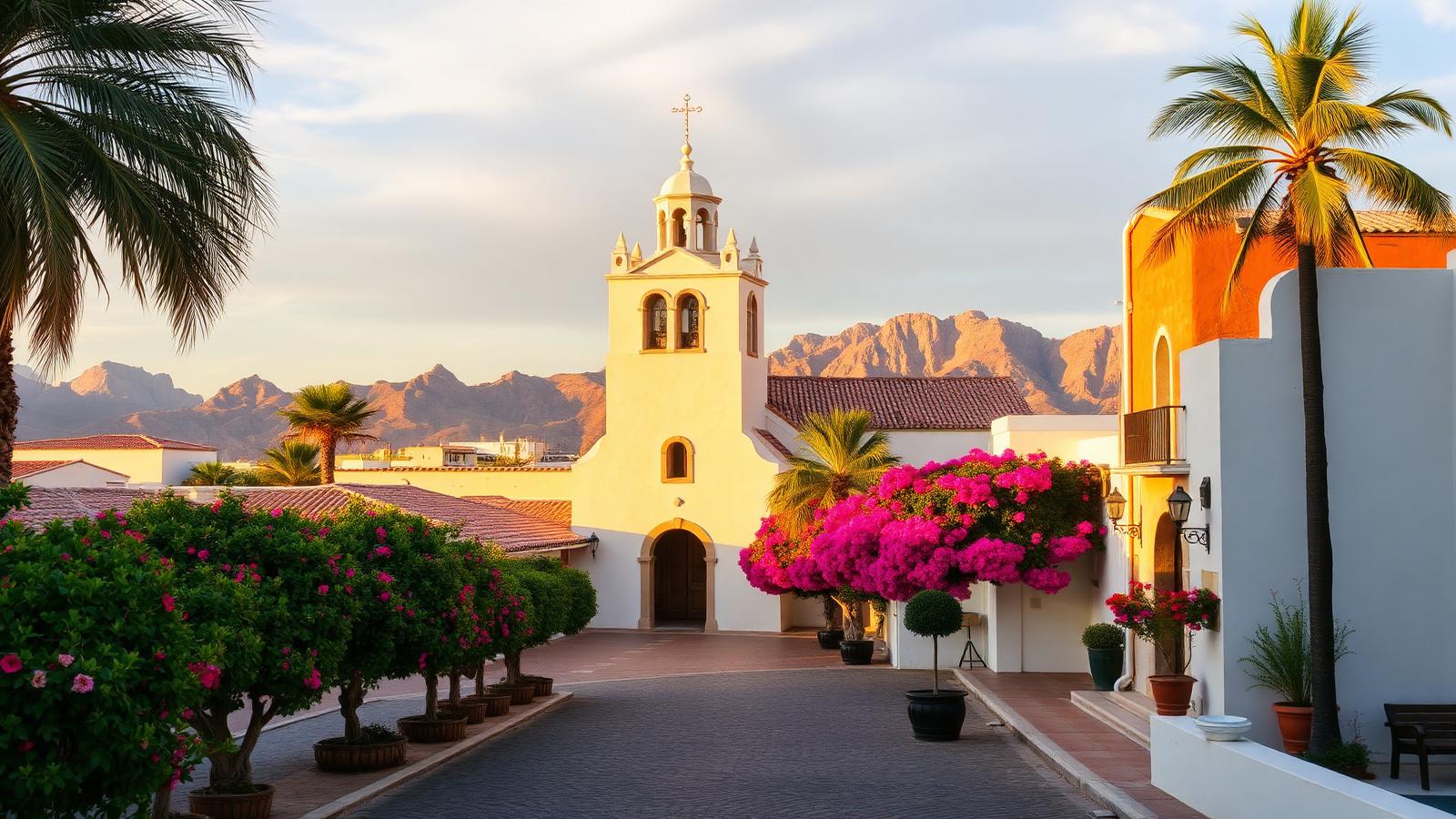
The quieter, more soulful half of Los Cabos — colonial plazas, an estuary full of birds, and long stretches of uncrowded Sea of Cortez beach.
Best time to visit
Late October through May: warm days in the low 80s°F, cool evenings, almost no rain. January to March is peak (and whale season), while June to September is hot, humid and hurricane-adjacent — but rental rates drop by 30–50%.
Rental types
Beachfront villas with private pools · Gated golf-resort condos · Downtown casitas near the Art District · Multi-bedroom family homes in Palmilla · Surf apartments at Costa Azul · Marina and estuary-view condos at Puerto Los Cabos
Getting there
Fly into Los Cabos International (SJD), which sits just 20–25 minutes north of San José del Cabo — closer than to Cabo San Lucas. Prearranged transfers and licensed taxis are the easiest airport option; rideshare pickup at SJD is restricted. Renting a car makes real sense here if you plan to explore the East Cape, Todos Santos or the surf breaks, since the Highway 1 corridor is straightforward driving.
Why choose San José del Cabo
Los Cabos is really two towns with two very different personalities. Cabo San Lucas is the nightlife capital — marina bars, party boats, the crowd around El Arco. San José del Cabo, 20 miles east, kept its colonial plaza, its bird-filled estuary and a much slower rhythm. Visitors who come once for a resort tend to come back for the town.
That difference shows up in the rental market. San José's inventory leans toward houses and larger condos rather than studio party pads, so families and groups get more square footage, more kitchen, and more pool for the money. It is also the closest side of Los Cabos to the airport, which matters when you land tired with kids and luggage.
The trade-off is honest: much of the shoreline directly in front of town has strong surf and steep drop-offs, so swimming happens at specific beaches rather than straight off your patio. Knowing which beaches those are is most of what makes a stay here work.
San José del Cabo vacation rentals: what to expect
Rentals cluster in four bands. Downtown offers restored casitas and small boutique condos where you can walk to dinner. The hotel zone and Costa Azul stack mid-rise condos a short walk from sand. Palmilla and Puerto Los Cabos hold the villa inventory — three to six bedrooms, private pools, often with staff options. The East Cape is where you find solar-powered houses on big lots and no neighbors.
Practical details worth confirming before you book: whether the property has a genuinely private pool or a shared one, whether the pool is heated (December–February water can feel cold), whether A/C covers every bedroom, and how the water supply works — many homes use purified-water dispensers rather than filtered taps.
Gated communities such as Palmilla and Puerto Los Cabos usually charge a per-stay access or amenity fee, and some resort-adjacent condos sell beach-club day passes separately. Ask so it does not surprise you at check-in.
- Beachfront villas with private pools and outdoor kitchens
- Golf-community condos with resort pools and gym access
- Downtown casitas within walking distance of the Art District
- Family homes sleeping 8–12 in Palmilla and Querencia
- Budget-friendly surf apartments near Costa Azul
- Off-grid solar homes on the East Cape
Beaches and water: where you can actually swim
Playa Palmilla is the reliable swimming beach on this side of Los Cabos — a protected cove with gentle water, a boat launch and shade palapas, popular with families. Playa Chileno and Playa Santa María, both in the corridor toward Cabo San Lucas, are the best snorkeling: rocky points, clear water and reef fish close to shore. Bring your own gear or rent at the parking areas.
Costa Azul is a surf beach, not a swim beach. Zippers works best on a south swell from April through October, Old Man's is the forgiving beginner-friendly break, and The Rock suits confident surfers. Local shops run lessons and rent boards by the day.
Playa Hotelera, the long stretch fronting the hotel zone, is beautiful for walking and terrible for swimming — undertow and shore break are serious. Watch for flags and warning signs; they are accurate.
Things to do in San José del Cabo
Start with the Thursday-evening Art Walk from November through June, when Art District galleries open their doors, wine is poured on the sidewalk and the historic center feels like a party the whole town is invited to. The Mission of San José del Cabo anchors the main plaza, and the streets around it are the best shopping in Los Cabos for ceramics, textiles and silver.
On the water: sportfishing out of Puerto Los Cabos for marlin, dorado and tuna; snorkel or dive trips to Cabo Pulmo's protected reef 90 minutes east; whale watching from mid-December through early April, when gray and humpback whales pass close to shore. Kayaking and paddleboarding are best in the calm mornings at Palmilla and Chileno.
On land: golf at Puerto Los Cabos, Palmilla and Querencia; the organic farm-to-table restaurants and Saturday farmers market at the edge of town; birdwatching along the San José estuary boardwalk, where herons, egrets and hundreds of migratory species gather; and day trips to Todos Santos, a mission town and surf outpost about an hour north.
- Thursday Art Walk in the historic Art District (Nov–Jun)
- Sportfishing charters from Puerto Los Cabos marina
- Snorkeling at Playa Chileno and Playa Santa María
- Whale watching from mid-December through early April
- Golf at Palmilla, Puerto Los Cabos and Querencia
- Estuary boardwalk birdwatching at sunrise
- Day trip to Todos Santos and the Pacific side
Where to eat
San José punches far above its size on food. The Art District holds the ambitious end — tasting menus built around Baja produce, seafood and Valle de Guadalupe wine — while the streets a few blocks out are where locals eat tacos de pescado, birria and marlin tostadas for a fraction of resort prices.
Farm-to-table is not a marketing line here; the Ánimas Bajas farm belt just inland supplies a real network of restaurants, several of which serve on the farms themselves. If you are renting a house with a kitchen, the Saturday organic market and the Mercado Municipal are worth a morning: local produce, fresh fish, and tortillas still warm.
For seafood with your feet in the sand, La Playita's palapas serve whatever came in on the pangas that morning.
Best time to visit
November through May is the sweet spot: dry, sunny, days in the low-to-mid 80s°F and evenings cool enough for a light layer. January through March brings the biggest crowds and highest rental rates, plus whale season and the clearest water.
Late spring — May and early June — is the quiet bargain: warm ocean, thinning crowds, rates dropping before summer heat arrives. September is statistically the wettest and most hurricane-prone month, and August–September highs regularly exceed 95°F with humidity, though rentals can be less than half their winter price.
Fishing peaks in October and November. Surfers should target April through October for the south swells at Costa Azul.
Getting around
Downtown San José is genuinely walkable, and if you stay in the historic center you can spend days on foot. Everywhere else, you will want wheels. A rental car is the most flexible choice and makes the East Cape, Todos Santos and the corridor beaches easy — just budget for mandatory Mexican liability insurance, which is often not included in the headline online rate.
Without a car, licensed taxis and hotel-arranged transfers cover the corridor, though fares between San José and Cabo San Lucas add up quickly. The public bus along Highway 1 is cheap and reliable for the main corridor route. Rideshare exists but has pickup restrictions at the airport and some resorts.
Distances to know: airport 20–25 minutes, Palmilla 10 minutes, Playa Chileno 20 minutes, Cabo San Lucas 35–45 minutes, Cabo Pulmo about 90 minutes on partly unpaved road.
Practical travel tips
Drink purified water — every rental provides a garrafón dispenser or bottled supply. Pay for small purchases in pesos where you can; dollar prices at tourist spots carry an unfavorable built-in rate. Tipping follows US norms: 15–20% in restaurants, and it is customary to tip fishing crews and drivers.
Cell coverage is strong in town and the corridor and patchy on the East Cape. If you are staying off-grid, confirm internet speed in writing before booking a work trip.
Sun here is desert sun. Reef-safe sunscreen, a hat and hydration matter more than travelers expect, and afternoon shade is worth planning around in summer.
- Book airport transfers in advance; SJD arrivals hall is high-pressure
- Confirm whether pool heating is included in winter months
- Bring reef-safe sunscreen for Chileno and Santa María snorkeling
- Keep small peso bills for palapas, markets and tips
- Check gated-community access fees before arrival
Nearby destinations
Cabo San Lucas sits 35–45 minutes west and makes an easy day trip for El Arco, the marina and nightlife — many travelers stay in San José and visit Cabo rather than the reverse. Todos Santos, an hour north on the Pacific, offers galleries, a historic mission and dramatic surf beaches. The East Cape and Cabo Pulmo deliver the best diving in Baja California Sur.
- Cabo San Lucas — 35–45 minutes west
- Todos Santos — about 1 hour north
- Cabo Pulmo National Marine Park — about 90 minutes east
- La Paz — roughly 2 hours north
Where to stay in San José del Cabo
Historic Downtown & Art District
Cobblestone streets around the Mission of San José, galleries that open late for the Thursday Art Walk, and the town's best independent restaurants. Rentals here are casitas and boutique condos — walkable, atmospheric, and a short drive from swimmable sand.
Palmilla
The most prestigious address in Los Cabos: gated estates, ocean-view villas and a rare swimmable beach at Playa Palmilla. Ideal for multi-family groups who want a private pool, a chef-ready kitchen and calm water for kids.
Costa Azul
Surf central. Zippers, The Rock and Old Man's break just offshore, and rentals range from modest apartments to hillside homes with big ocean views. Best for surfers, couples and anyone who wants beach-town energy without downtown noise.
Puerto Los Cabos
A newer marina district with golf, botanical gardens and an easygoing pace. Condos and villas here are spacious and modern, and the marina restaurants mean you can leave the car parked.
Hotel Zone / Zona Hotelera
The strip between downtown and the beach, lined with resorts and condo buildings. Convenient and often the best value, though the surf here is usually too strong for swimming.
Tourist Corridor (toward Cabo San Lucas)
A 20-mile ribbon of clifftop villas and resort residences with dramatic views. Pick this if you want to split time between both towns and don't mind driving everywhere.
La Playita & La Laguna
An old fishing-village pocket beside Puerto Los Cabos, still low-key, with panga boats on the sand and simple seafood palapas. Rentals are smaller homes with a genuinely local feel.
East Cape (Zacatitos & Vinorama)
Off-grid solar homes on dirt roads 20–40 minutes east, with empty beaches and dark skies. For travelers who want quiet and self-sufficiency over convenience.
San José del Cabo FAQs
Is San José del Cabo better than Cabo San Lucas for a vacation rental?
For families, groups and repeat visitors, usually yes. San José has larger homes and condos, quieter streets, a walkable historic center with better independent dining, and a shorter airport transfer. Choose Cabo San Lucas instead if nightlife, the marina scene and a swimmable town beach (Médano) are your priorities.
Can you swim at the beaches in San José del Cabo?
Only at specific beaches. Playa Palmilla is the protected, family-friendly swimming cove nearby, and Playa Chileno and Playa Santa María in the corridor are calm and great for snorkeling. The long beach fronting the hotel zone has strong shore break and undertow and is for walking, not swimming.
Do I need a rental car in San José del Cabo?
If you stay downtown and mostly eat and shop in town, no. For everything else — corridor beaches, golf, the East Cape, Todos Santos — a car is the practical option, since taxi fares along the corridor add up fast. Budget for mandatory Mexican liability insurance on top of the quoted rate.
When is the best time to book a San José del Cabo vacation rental?
Winter rentals (January–March) book out four to six months ahead, especially villas with private pools. For value, target May, early June or late November, when the weather is still excellent but rates fall well below peak.
Is San José del Cabo good for families?
Very. Palmilla and Puerto Los Cabos offer multi-bedroom homes with private pools near calm water, the estuary and botanical gardens are easy outings, and the town itself is compact and low-key. Confirm pool fencing and heating when you book with small children.
How far is the airport from San José del Cabo?
Los Cabos International (SJD) is about 20–25 minutes north of town — noticeably closer than the 45–60 minutes to Cabo San Lucas. Prearranged transfers are the smoothest option, since airport rideshare pickup is restricted.
Keep planning
How to Choose the Perfect Vacation Rental: A Step-by-Step Guide
The difference between a great rental and a regrettable one is decided before you ever click book. Here's the process seasoned renters use.
8 min read

Vacation Rental vs. Hotel: Which Is Right for Your Trip?
Neither wins every trip. Here's the honest math on cost, space, and convenience so you can pick the right tool for each vacation.
6 min read
Save this guide to your account for later.
Traveler reviews
Have you been here? Share your experience.
Loading reviews…
Discussion
Questions or tips? Join the discussion.
Loading comments…